Processing...
`Delta P = P_1 - P_2 `
Enter a value for all fields
The Change in Vascular Pressure calculator computes the change in pressure (ΔP) at two points in a vessel (P1 and P2).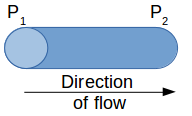
INSTRUCTIONS: Choose your preferred units and enter the following:
- (P1) This is the initial pressure
- (P2) This is the end pressure
(ΔP) Change in Pressure: The calculator returns the change in pressure in millimeters of mercury (mmHg). However, this can be automatically converted to other pressure units via the pull-down menu.

Heart, Cardiology and Blood Calculators
- Cardiac Stroke Volume: Computes the volume blood pumped in one stroke based on the end diastolic and systolic volumes.
- Cardiac Output: Computes the output of a heart based on the heart rate, end diastolic volume and the end systolic volume.
- Cardiac Output with Stroke Volume: Computes the volume rate of blood pumped by the heart in one minute based on the beats per minute and the stroke volume.
- Ejection Fraction: Computes the Ejection Fraction percentage based on the end-systolic and end-diastolic volumes.
- Heart Stroke Work: Computes the amount of work performed by the heart during a single heartbeat to pump blood based on the Mean Arterial Pressure (MAP) and Stroke Volume(SV).
- Mean Arterial Press: Compute the mean arterial pressure and pulse pressure based on the diastolic pressure and the systolic pressure.
- Cardiac Stroke Work: Computes work done by the ventricle to eject a volume of blood into the aorta based on the afterload pressure, stroke volume, blood stroke mass and blood flow velocity.
- Cardiac Flow (Q): Computes the flow factor of an artery based on the diameter and blood flow velocity.
- Body Surface Area (BSA): Wide range of calculators in one function to compute the body surface area base on one of many common methods (e.g., Mosteller, Takahira)
- Hagen-Poiseuille Resistance: Fluid resistance of blood and plasma based on viscosity, length and radius of vessel.
- Poiseuille's Law: Fluid flow rate from change in pressure, length, diameter and viscosity
- Poiseuille's Velocity of Compressible Fluids: Fluid velocity based on tube radius and length, input and output pressures, and fluid viscosity.
- Heart Chamber Pressure via the Law of Laplace: Pressure on membrane wall based on wall stress, chamber radius and vascular wall thickness.
- Heart Wall Stress via the Law of Laplace: Stress on the membrane wall of based on the blood pressure, radius of the chamber (r) and the vascular wall thickness (T).
- Blood Flow Rate using Darcy's Law: Blood flow through a vessel based on a change in pressure and a resistance factor.
- Change in Vascular Pressure: Change in pressure at two points in a vessel.
- Blood Pressure: Blood pressure based on Cardiac Output and Blood Flow Resistance
- Mean Arterial Pressure (MAP): Calculates MAP from Pulse Pressure and Diastolic Pressure
- Mean Arterial Pressure and Pulse Pressure: Calculates MAP and Pulse Pressure from Diastolic Pressure and Systolic Blood Pressure
- Cardiac Output from Heart Rate and Stroke Volume: Output of a heart based on the heart stroke volume and the heart rate.