Processing...
Galvanized Common Nail Information
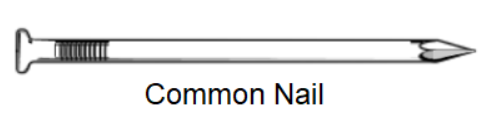
| Size | Length | Nails / Pound |
|---|---|---|
| 2d | 1" | 692 |
| 3d | 1 1/4" | 420 |
| 4d | 1 1/2" | 251 |
| 5d | 1 3/4" | 218 |
| 6d | 2" | 150 |
| 7d | 2 1/4" | 134 |
| 8d | 2 1/2" | 92 |
| 10d | 3" | 61 |
| 12d | 3 1/4" | 57 |
| 16d | 3 1/2" | 44 |
| 20d | 4" | 28 |
| 30d | 4 1/2" | 21 |
| 40d | 5" | 15 |
| 50d | 5 1/2" | 12 |
| 60d | 6" | 9 |
Nails are galvanized to protect them from rust and corrosion. The process involves coating the nails with a layer of zinc, which acts as a barrier against moisture and other elements that can cause rusting.
Why Galvanize Nails?
- Rust Resistance: Zinc prevents the steel underneath from coming into direct contact with moisture and oxygen, which cause rust.
- Durability: Galvanized nails last longer, especially in outdoor or high-moisture environments.
- Structural Integrity: Rusted nails can weaken and eventually fail. Galvanization helps maintain strength over time.
- Cost-Effective: While slightly more expensive than non-galvanized nails, they save money in the long run by reducing the need for replacements and repairs.
Common Uses for Galvanized Nails
- Outdoor Construction: Decks, fencing, roofing, and siding.
- Treated Lumber: Pressure-treated wood is often corrosive, and galvanized nails resist this corrosion.
- Moist or Humid Environments: Places like bathrooms, kitchens, or coastal areas.